


Muhammed Riyaz
March 2, 2026
Corporate Tax Rate in UAE Explained: A Compliance Guide for Private Organisations
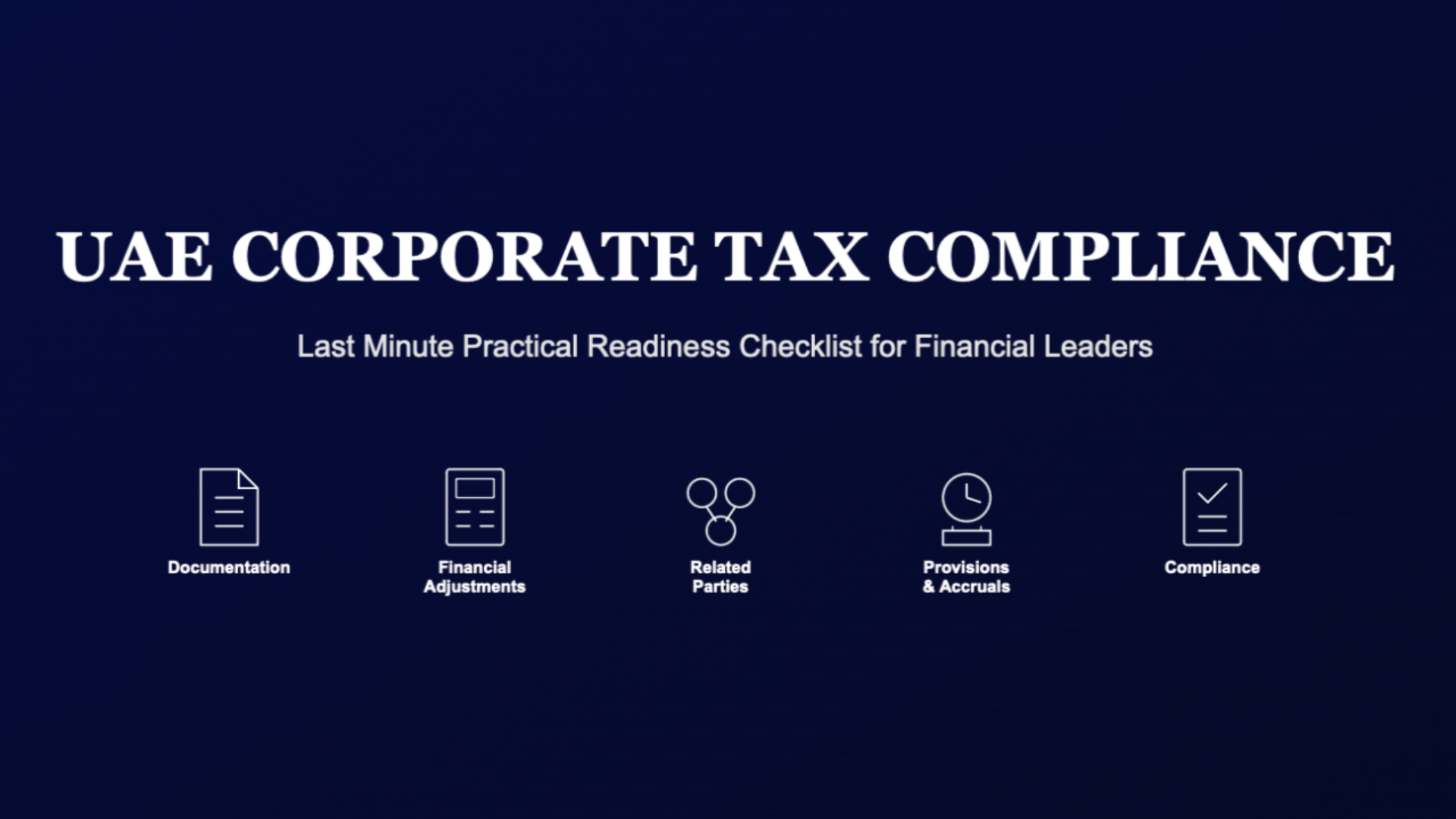
The introduction of the corporate tax rate in UAE represents a major development in the country’s regulatory environment. Although the tax rate remains competitive internationally, businesses must now maintain higher levels of financial transparency.
Private organisations, in particular, must ensure their accounting systems are capable of supporting accurate tax reporting. Regulations overseen by the Federal Tax Authority emphasize documentation, consistency, and accountability.
Understanding the rate is only the first step. Proper implementation is what determines compliance success.
Key Components of the UAE Corporate Tax System
The corporate tax framework includes:
- A 0% rate for small businesses below AED 375,000 taxable income
- A 9% rate for income above the threshold
- Specific rules for multinational enterprises
- Record-keeping requirements for all taxable persons
These rules highlight the importance of structured financial reporting.
Why Accurate Bookkeeping Matters
Without reliable bookkeeping:
- Deductible expenses may be overlooked
- Taxable income may be overstated
- Cash flow forecasting becomes unreliable
- Audit risks increase
Financial clarity protects both compliance and profitability.
Practical Compliance Strategies
Private organisations should:
- Implement standardized accounting policies
- Separate VAT and corporate tax tracking
- Retain supporting documentation for at least the required period
- Review financial statements regularly
- Seek professional advisory support when necessary
These measures reduce compliance risks significantly.
Partnering With Financial Experts
Working with experienced firms like Taqath ensures businesses align bookkeeping practices with corporate tax regulations.
Professional oversight provides:
- Accurate profit calculations
- Regulatory updates
- Audit preparedness
- Improved financial forecasting
Rather than viewing corporate tax as a burden, businesses can use it to enhance governance and operational discipline.
Conclusion
The corporate tax rate in UAE is designed to balance competitiveness with responsible economic governance. For private organisations and new business owners, compliance hinges on accurate bookkeeping and proactive planning.
By strengthening financial systems and seeking expert guidance where needed, businesses can navigate corporate tax obligations with confidence. With the right foundation, tax compliance becomes a structured and manageable part of sustainable growth.
